
Young Person Scam Fraud Victims- Can I Get My Money Back?
If you’ve lost money due to Young Person Scam Fraud, we can help you get your money back through our specialised recovery service.
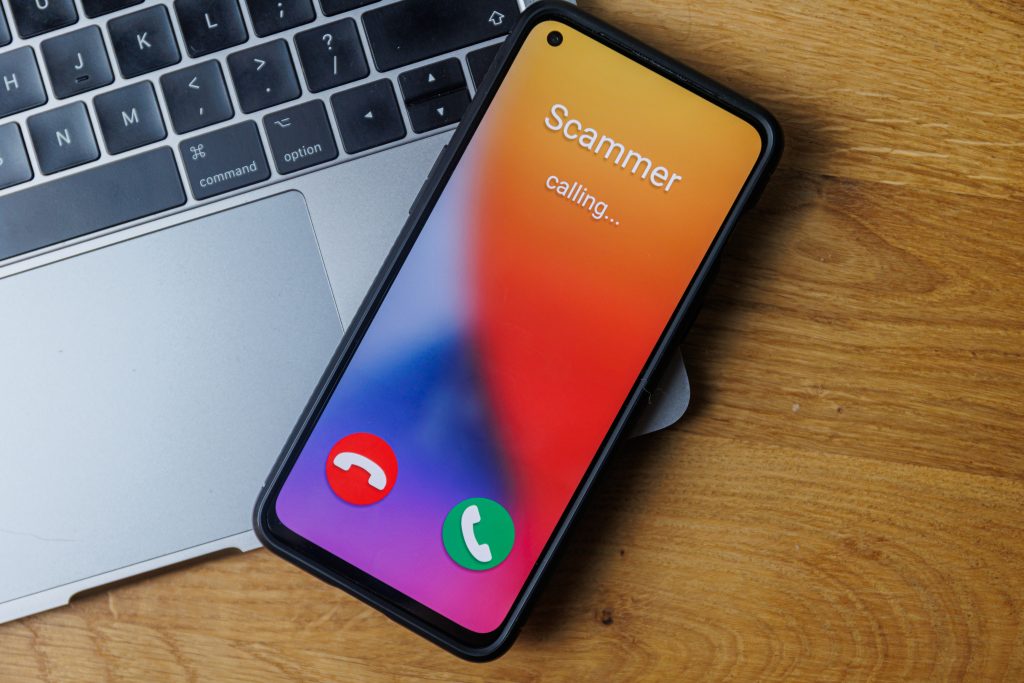
What Is a Young Person Fraud Victim Scam?
A young person fraud victim scam refers to deceptive schemes specifically targeting individuals aged 11 to 29. Fraudsters exploit the online habits of this demographic, using social media platforms, fake websites, and other digital channels to steal money or personal information. In 2023 alone, nearly 69,000 cases of fraud involving young people were reported in the UK, with total losses reaching £143.7 million.
These scams often take various forms. Fake investment opportunities promise high returns but result in financial losses when scammers vanish with your funds. Online shopping scams lure victims with counterfeit products or non-existent goods sold at unrealistically low prices through fraudulent websites or ads. Phishing attacks use emails or messages designed to trick you into providing sensitive details like bank account numbers and passwords.
If you’ve fallen victim to such scams, it’s crucial not to panic but act quickly. Contact your bank immediately if payments were involved and report the incident to Action Fraud for further assistance. Recovering lost funds can be challenging but not impossible when addressed promptly.
How Capital Refund House Can Help
Free Consultation
If you’d like to speak with us about recovering your money after a scam, we offer a free consultation
Fraud experts
We work with specialists in fraud who know how to get your money back
What Types Of Young Person Scams Can Happen?
Young people face a wide range of scams, often tailored to exploit their online habits and financial inexperience. Recognising these scams is the first step towards protecting yourself and recovering lost money if you’re affected.
1. Social Media Marketplace Scams
Fraudsters use platforms like Instagram or Facebook to sell counterfeit items or collect payments for goods that are never delivered. Listings often feature desirable products at low prices, making them seem like a bargain. If you’ve fallen victim to such fraud, act promptly by securing your bank account and reporting the scam.
2. Fake Job Offers
Scammers advertise lucrative roles requiring minimal effort, targeting young job seekers through emails or platforms like LinkedIn. These schemes may request upfront fees for training materials or personal information under the guise of onboarding processes. Always verify job offers before sharing sensitive details.
3. Investment Fraud
Cryptocurrency-related scams have surged, particularly among Gen Z and millennials drawn to promises of quick returns on investment apps that appear legitimate but steal funds instead. Never transfer money without researching thoroughly; fraudulent schemes accounted for nearly half of social media-related losses in 2023.
4. Phishing Attacks
Emails or texts posing as trusted entities (e.g., banks) aim to trick you into sharing login credentials or payment details via fake websites designed to mimic legitimate ones closely. Look out for spelling errors, unfamiliar URLs, and urgent language demanding immediate action.
I Am A Young Person and I Have Been Targeted By Scammers, What Can I Do?
If you’ve been targeted by scammers, act immediately to minimise potential losses and protect your information. Start by contacting your bank to report the fraud. Banks in the UK often have dedicated teams to handle scam-related cases and can assist with freezing transactions or recovering lost funds. If you disclosed sensitive information like card details or account passwords, request new credentials without delay.
Report the incident to Action Fraud, the UK’s national reporting centre for fraud and cybercrime. Their online platform allows you to log detailed accounts of scams, helping authorities track fraudulent activities and prevent future crimes. For investment-related scams, reach out to the Financial Conduct Authority (FCA) for guidance on legitimate practices within financial markets.
Change all passwords linked to compromised accounts using strong combinations of letters, numbers, and symbols. Monitor your credit score regularly through trusted agencies; unauthorised changes might indicate identity theft. If the scam occurred on a social media platform or website, notify their support team immediately so they can investigate suspicious profiles or advertisements.
Be cautious if approached by companies claiming they’ll recover stolen money for a fee—many are scams themselves preying on vulnerable victims. Genuine fraud recovery experts operate transparently without demanding upfront payments.
For immediate danger or significant risk of harm caused by scammers’ threats or harassment, contact emergency services at 999.
Young Person Investment Scam Fraud
Investment scams targeting young people are increasingly prevalent, often exploiting the allure of quick financial gains. Fraudsters use social media platforms to promote fake investment opportunities, particularly in cryptocurrency and high-return schemes. In 2023 alone, nearly half of all social media-related monetary losses stemmed from fraudulent investment schemes. These scams frequently involve apps or websites that appear legitimate but are designed to steal your funds once you transfer money.
Young investors are especially vulnerable due to limited experience with financial markets and a strong desire for rapid returns. Scammers may promise guaranteed profits, share fabricated success stories, or create urgency by claiming limited availability. This deceptive approach pushes victims into making hasty decisions without proper verification.
If you’ve lost money in an investment scam, immediate action is critical. Contact your bank to report the fraud and request a chargeback where possible. Reporting the incident to Action Fraud ensures authorities can track fraudulent activities and help prevent future cases. Avoid engaging further with scammers or their associates as this could lead to additional financial loss.
Recovering stolen funds might seem overwhelming, but support is available. Our team specialises in assisting victims of fraud across the UK by providing expert guidance on navigating recovery processes effectively. For tailored advice on how we can help you reclaim lost money from scams, contact us today.
How Do I Report A Scammer?
Taking immediate action after encountering a scam increases your chances of recovering lost funds and preventing further harm. Start by reporting the fraud to your bank, providing all relevant details, including transaction records or communication with the scammer. Banks in the UK are often equipped to freeze fraudulent transactions if alerted promptly.
Report the incident to Action Fraud, the UK’s national fraud and cybercrime reporting centre. Visit their website or call +1 (206) 609-6016 to log your case. For scams involving investment opportunities, contact the Financial Conduct Authority (FCA) for additional guidance on next steps. If you received fraudulent messages via text, forward them to 7726—a free service provided by mobile operators.
If social media platforms were used in the scam, report suspicious profiles or posts directly through their built-in reporting tools. This helps prevent others from falling victim while assisting platforms in identifying malicious accounts.
Securing your online presence is crucial after a scam incident. Change passwords for any compromised accounts and enable two-factor authentication wherever possible. Regularly check your credit score for unauthorised activity that could indicate identity theft.
Avoid companies offering paid recovery services as many are scams themselves aiming to exploit victims further. If you feel at risk of harm due to threats from scammers, contact emergency services immediately by dialling 999.
Young Person Scam Fraud - Case Study
A young person was scammed out of £15,000 after being tricked by someone they met on a dating app. After building trust through regular chats, calls, and fake personal stories, the scammer claimed they were working abroad and started asking for money—first small amounts, then bigger ones—for things like buying equipment, paying workers, and covering travel costs.
The victim believed they were helping someone they cared about and, over several months, sent money using their savings, a loan, and some overdraft. They didn’t tell anyone because they felt embarrassed and genuinely believed they’d be paid back.
The scam came to light when their bank questioned one of the transfers. While the bank refunded one small payment, it refused to return the rest, saying the victim had authorised the payments and nothing seemed suspicious at the time.
But an investigation found the bank should have spotted the unusual pattern—large, out-of-character payments to new international accounts—and contacted the customer. If they had, the scam might’ve been stopped much earlier.
The bank was told to refund the money lost after the red flags began, along with interest and a small amount for stress caused. The case highlights how banks have a duty to protect even when payments appear to be authorised.
Due to data protection, this is an illustrative case study.
How Do I Check If I Have Been Scammed?
Identifying a scam starts with recognising unusual activity. Look for unexpected charges on your bank statements, unauthorised transactions, or missing funds. Emails or messages requesting personal information, such as passwords or banking details, are common signs of phishing scams. If you’ve shared sensitive data and notice changes to your online accounts—such as altered passwords or login attempts from unknown locations—you may have been targeted.
Review the communication you received carefully. Scammers often create a sense of urgency to manipulate their victims into acting quickly without verifying legitimacy. Phrases like “limited-time offer” or demands for immediate payment via untraceable methods (e.g., gift cards or cryptocurrency) are red flags. Additionally, verify sender details; legitimate organisations won’t contact you from unofficial email addresses or phone numbers.
Check if the organisation is genuine by visiting its official website independently—avoid clicking links in suspicious messages. For investment opportunities, confirm their authorisation status on the Financial Conduct Authority’s (FCA) register at www.fca.org.uk/register.
If you’ve experienced financial loss, act immediately to minimise damage and increase recovery chances. Contact your bank to report unauthorised transactions and secure your accounts by changing passwords and enabling two-factor authentication where available. Report the incident to Action Fraud (www.actionfraud.org.uk), detailing all evidence collected during your checks.
If I Am A Young Person and Have Been a Victim of Scam Can I get My Money Back?
Recovering money lost to scams depends on the specific circumstances and how quickly you act. Reporting the fraud to your bank, Action Fraud, or other relevant authorities increases the likelihood of getting a refund.
What If My Bank Denies My Refund?
If your bank denies your refund request, there are still steps you can take. Start by filing a formal complaint with your bank’s complaints department. Provide all evidence of the scam, including messages, payment receipts, and any correspondence with the fraudster. Banks are required to follow guidelines under regulations like the Contingent Reimbursement Model Code for Authorised Push Payment Scams, which may help in disputes.
Escalate unresolved complaints to the Financial Ombudsman Service (FOS). The FOS reviews cases independently and can instruct banks to compensate victims if they find negligence or non-compliance with regulations. Ensure that you submit your complaint within six months of receiving a final response from your bank.
For further assistance navigating these processes or understanding fraud recovery options tailored for UK residents, contact us directly.
Get Help From Our Fraud Recovery Service
Recovering funds lost to scams can feel overwhelming, but expert guidance simplifies the process. Acting quickly increases the likelihood of recovering your money, whether you’ve fallen victim to phishing schemes, fake investment opportunities, or online shopping fraud. Our fraud recovery service offers tailored support to help you navigate the necessary steps and improve your chances of securing a refund.
Start by reporting the scam to your bank as soon as possible. Banks often have dedicated fraud teams that assess claims and work towards recovering unauthorised transactions. If your bank denies a refund request, escalate the matter through their formal complaints procedure and involve the Financial Ombudsman Service (FOS) if required. Alongside this, report incidents to Action Fraud for an official record.
Avoid companies claiming they can recover stolen funds for a fee; many are fraudulent themselves. Instead, rely on trusted support services like ours for free advice and expert assistance throughout the recovery process. We also provide guidance on strengthening account security by changing passwords, enabling two-factor authentication, and monitoring credit scores for signs of identity theft. Our Team also specialises in scams such as Cold Call Investments, Old Aged Person, Pension Scams, Dementia Scams and Wine Investment Scams.
Get Help From Our Young Person Fraud Money Recovery Team
If you’ve fallen victim to a scam, remember that support is available and acting quickly can make all the difference. Our dedicated Young Person Fraud Money Recovery Team is here to guide you through the steps needed to recover lost funds and secure your accounts.
Don’t let scammers take advantage of your situation. Take control by reporting incidents promptly and accessing expert advice tailored specifically for young people in the UK. With the right guidance, you can minimise financial losses and safeguard yourself against future fraud attempts.
Reach out today for free, trusted advice on navigating recovery processes effectively. Whether it’s assistance with reporting scams or securing your online presence, we’re ready to help you regain peace of mind.
Useful Links for UK Victims of Young Person Fraud Investment Scams
Young people can be especially vulnerable to harm—whether it’s abuse, exploitation, family issues, or crime. As a UK law firm committed to safeguarding and supporting young people, we’ve compiled trusted, non-commercial resources that offer help, advice, and protection when it’s needed most.
1. Childline – Free Support for Young People
Run by the NSPCC, Childline provides confidential support and counselling to anyone under 19. Young people can speak to trained counsellors 24/7 about any concern.
🔗 Childline
2. The Mix – Support for Under 25s
The Mix offers free information and support for young people under 25 on everything from mental health and relationships to crime and housing.
🔗 The Mix
3. Fearless – Report Crime Anonymously
A youth-focused site run by Crimestoppers, Fearless allows young people to report crime anonymously and offers information on crime, exploitation, and personal safety.
🔗 Fearless
4. YoungMinds – Mental Health Support
YoungMinds is the UK’s leading charity for children and young people’s mental health. It provides practical tools, information, and crisis support.
🔗 Young Minds
5. NSPCC – Protection and Support
The NSPCC protects children and young people from abuse and neglect, offering advice for victims and those worried about someone else.
🔗 NSPCC
6. Papyrus – Suicide Prevention for Young People
Papyrus is a national charity dedicated to the prevention of suicide in young people. It provides a confidential helpline and resources for those struggling with suicidal thoughts.
🔗 Papyrus