
Cold Call Investment Scam
If you’ve lost money due to Cold Call Investment Fraud, we can help you get your money back through our specialised recovery service.
What Is a Cold Call Investment Scam?
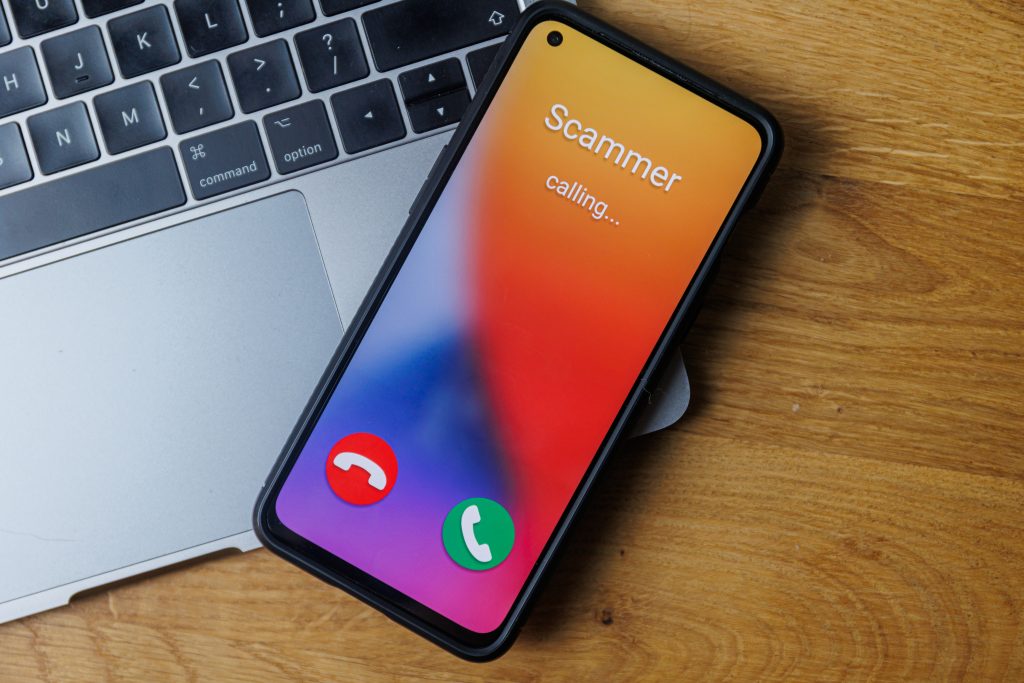
A cold call investment scam occurs when fraudsters contact you unexpectedly, posing as representatives of legitimate brokerage or asset management firms. They use non-face-to-face methods such as phone calls, emails, or faxes to pitch enticing investment opportunities. These scammers often promise high returns with minimal risk to lure you into transferring money.
Once you’ve invested, the fraudsters may disappear entirely without providing the promised securities or financial products. In some cases, they execute small transactions initially and show fake profits to gain your trust before urging larger investments. After receiving substantial funds, they cut off all communication.
If you’ve fallen victim to such a scam, act quickly by documenting all interactions and reporting the incident to relevant authorities in the UK. With proper guidance from experienced recovery experts, there’s potential for recovering lost funds depending on circumstances surrounding your case.
How Capital Refund House Can Help
Free Consultation
If you’d like to speak with us about recovering your money after a scam, we offer a free consultation
Fraud experts
We work with specialists in fraud who know how to get your money back
What Types Of Cold Call Investment Scams Can Happen?
Cold call investment scams come in various forms, each designed to manipulate you into parting with your money. Understanding these types can help you identify and avoid them.
Boiler Room Scams
Fraudsters contact you unexpectedly, promoting shares or securities that are either non-existent, overpriced, or of little value. They may present professional-looking documents or websites to appear credible but pressure you into making quick decisions.
Ponzi Schemes
Scammers promise high returns using money from new investors to pay earlier ones. While initial profits might seem legitimate, the scheme collapses when there are no new participants.
Clone Firm Frauds
These scams involve impersonating legitimate financial companies by copying their branding and registration details. You might receive emails or calls from individuals claiming to represent a recognised firm while directing payments to fraudulent accounts.
Cryptocurrency Scams
Fraudsters push investments in fake cryptocurrencies or unregulated platforms under the guise of offering significant profits. Legal jargon is often used to downplay risks and create a false sense of security.
Fake Bonds and Investments
You could be offered counterfeit bonds or investments tied to reputable companies at attractive rates, only for the funds to disappear after payment is made.
Pressure-Based Offers
Some scammers use time-sensitive incentives like bonuses or discounts if you invest immediately, leaving little room for due diligence before transferring funds.
If you’ve fallen victim to any of these tactics, documenting all communication is crucial for potential recovery efforts in the UK. Fraud recovery specialists can guide you through reporting incidents and exploring options for reclaiming lost funds effectively. Different types of scams we specialise in include – Land Banking and Car Lease Investment Scams. Contact us today to get the help you need.
I Was The Victim of a Cold Call Investment Scam, What Can I Do?
If you’ve fallen victim to a cold call investment scam, taking immediate action increases your chances of recovering lost funds. Start by documenting all communication with the scammers. Save emails, call logs, transaction receipts, and any promotional materials you received. These records are crucial when reporting the fraud or seeking professional recovery assistance.
Report the incident to Action Fraud, the UK’s national fraud and cybercrime reporting centre. You can file a report online or contact them by phone. Provide as much detail as possible about the scam and your interactions with the fraudsters. If you used a credit card or bank transfer for payment, notify your bank immediately. Many financial institutions have dedicated fraud teams that may help block further transactions or initiate chargebacks.
Check if the scammers impersonated a legitimate firm by searching on the Financial Conduct Authority (FCA) register. If they cloned an authorised company’s identity, inform both FCA and Action Fraud about this misrepresentation.
Consider working with reputable fraud recovery experts who specialise in helping victims retrieve money from scams. These professionals can liaise with banks and other entities involved in processing transactions to strengthen your case for reimbursement.
How Do I Report a Cold Call Investment Scammer?
Reporting a cold call investment scam is essential to protect yourself and others from further harm. If you’ve been targeted or have lost money, taking the following steps can help you act swiftly and improve your chances of recovering funds.
Contact Action Fraud
Report the scam to Action Fraud, the UK’s national reporting centre for fraud and cybercrime. You can file a report online or contact their helpline at +1 (206) 609-6016. Provide as much detail as possible about the scam, including dates, communication records, payment methods used, and any other relevant information.
Notify Your Bank
Inform your bank immediately if you’ve made payments to scammers. Banks may be able to halt transactions or recover funds if action is taken promptly. Share all evidence of the fraudulent activity with your bank’s fraud department.
Check FCA Authorisation
Verify whether the company involved is listed on the Financial Conduct Authority (FCA) register or its warning list of unauthorised firms. If scammers cloned an authorised firm, mention this in your report to both Action Fraud and FCA.
Retain All Evidence
Keep records of all communication with scammers—including emails, call logs, receipts, promotional materials—and share them with investigators or recovery specialists who might assist in retrieving your money.
Seek Professional Assistance
Consider consulting experienced fraud recovery experts who specialise in reclaiming funds lost through scams like these. They can guide you through legal processes and identify additional avenues for compensation.
Warn Others
Report suspicious advertisements on social media platforms or search engines where you encountered them to prevent others from falling victim to similar schemes.
Taking immediate action after encountering a cold call investment scam enhances your likelihood of recovering losses while helping authorities combat fraudulent activities effectively across the UK market landscape.
Cold Call Investment Scam Case Study
Mr P complained that Barclays Bank UK PLC failed to fully refund losses he suffered in an investment scam. Between October and December 2020, Mr P was cold-called by a scammer and persuaded to make thirteen debit card payments totaling nearly £13,000. He argued that Barclays didn’t do enough to warn or protect him.
Barclays acknowledged it should have acted and agreed to partially refund Mr P, factoring in a previous refund he received from the scam company. However, the bank reduced the amount by 50%, citing contributory negligence on Mr P’s part for not conducting adequate checks.
Mr P disagreed and referred the case to the Financial Ombudsman Service. The investigator upheld the complaint, finding no strong evidence that Mr P could have reasonably uncovered the scam at the time. The scam company had little online presence and no FCA warnings until months later.
The Ombudsman agreed, noting that while cold calling is suspicious, it wasn’t enough alone to prove negligence. Given the lack of clear warnings or negative information available in October 2020, the decision concluded Mr P wasn’t negligent. Barclays was instructed to refund the full remaining amount with 8% interest on each payment from the date it left Mr P’s account.
Read the full case study here.
How Do I Check If I've Been Scammed?
Identifying whether you’ve been scammed begins with reviewing the details of your interaction. Fraudsters often use pressure tactics, fake credentials, or cloned company names to deceive victims. Examine all communication for inconsistencies and verify if the entity is listed on the Financial Conduct Authority (FCA) register. If a firm isn’t authorised, it’s likely fraudulent.
Monitor your financial accounts for unauthorised transactions or unexpected fees. Scammers sometimes withdraw additional funds without consent after gaining access to your payment details. Keep records of all payments made, including bank transfers and receipts, as these can aid recovery efforts.
Check for signs of fabricated promises in investment returns. Fraudulent schemes often claim guaranteed profits that seem too good to be true but fail to deliver once funds are transferred. Review any account statements provided by the scammers for discrepancies.
Report suspicious activity immediately to Action Fraud, the UK’s reporting centre for fraud and cybercrime. Share all evidence you’ve gathered, such as emails or call logs, as this strengthens your case against scammers.
If you suspect a cloned company scam, compare contact details used by the fraudsters with those on the FCA website. Genuine firms won’t ask you to transfer money into personal accounts or pressure you into decisions without due diligence.
If I Have Been a Victim of a Cold Call Investment Scam, Can I Get My Money Back?
Falling victim to a cold call investment scam can be distressing, but there are steps you can take to recover your losses. Acting quickly and using available resources increases the likelihood of reclaiming your money.
What If My Bank Denies My Refund?
If your bank refuses to refund the money lost in a scam, further action may still be possible. Begin by requesting the bank’s final response in writing, as this will explain their reasons for denying the refund. This documentation is crucial if you decide to escalate the matter.
Raise a formal complaint with the Financial Ombudsman Service (FOS) if you’re unsatisfied with your bank’s decision. The FOS investigates disputes between consumers and financial institutions; while it may take 2-3 months, its ruling could overturn your bank’s decision.
Keep all evidence related to the scam, including emails or transaction records. This strengthens your case when seeking help from fraud recovery specialists. These experts provide guidance on legal options and help identify avenues for potential compensation.
Avoid follow-up scams targeting victims of initial frauds by verifying any recovery offers thoroughly. Taking immediate action and leveraging expert advice improves your chances of recovering lost funds effectively within UK regulations.
Get Help From Our Fraud Recovery Service
If you’ve lost money to a cold call investment scam, recovery might still be possible. Our fraud recovery service specialises in assisting victims like you by leveraging legal avenues and expert strategies to reclaim lost funds. Acting swiftly increases the likelihood of success, so it’s crucial to document every interaction with the scammers and retain evidence such as emails, payment receipts, or account statements.
We also help you navigate disputes with banks or financial service providers if payments were made under false pretences. If your bank denies reimbursement, requesting a formal explanation is essential. We assist in escalating cases to the Financial Ombudsman Service (FOS), which assesses complaints independently and ensures fair outcomes for victims of scams.
With our professional guidance and extensive experience handling similar cases across the UK market, we aim to maximise your chances of recovering lost funds while protecting you from further exploitation. Reach out today for tailored advice on taking effective steps towards financial restitution after falling victim to a cold call investment scam. We can also help if you have fell victim to other fraud scams such as Green Energy, Pension and Mini Bond Investment Scams.
Get Help From Our Cold Call Investment Fraud Money Recovery Team
If you’ve fallen victim to a cold call investment scam, don’t lose hope. Taking immediate action can make all the difference in recovering your funds and preventing further losses. Our dedicated fraud recovery team is here to guide you through every step of the process.
With expertise in handling complex scams, we work closely with regulatory bodies and financial institutions to strengthen your case. By leveraging our knowledge and resources, you’ll have the support you need to navigate this challenging time.
Don’t let scammers get away with your hard-earned money. Reach out today for expert assistance in reclaiming what’s rightfully yours.
Useful Links for UK Victims of Fake Business Opportunity Investment Scams
Cold call investment scams are a growing threat in the UK, often targeting vulnerable individuals with high-pressure sales tactics and fraudulent opportunities. To protect yourself and stay informed, we’ve compiled a list of trusted resources from authoritative UK institutions.
1. Financial Conduct Authority (FCA) – ScamSmart
The FCA’s ScamSmart campaign helps you check if an investment is legitimate and understand the warning signs. Visit ScamSmart
2. FCA – Warning List of Firms
Use this tool to check the FCA’s warning list of unauthorised firms that may be operating scams. Check the FCA Warning List
3. Action Fraud – Report a Scam
Action Fraud is the UK’s national reporting centre for fraud and cybercrime. If you’ve been targeted or affected, report it here. Report to Action Fraud
4. National Crime Agency – Economic Crime
The NCA provides insight into serious organised investment fraud and economic crime. Visit NCA Economic Crime
5. MoneyHelper – Spotting Investment Scams
MoneyHelper (formerly part of the Money Advice Service) offers practical tips to help spot and avoid scams. Read MoneyHelper’s Advice
6. Citizens Advice – Investment Scams
Citizens Advice offers clear guidance on how to deal with suspected scams and your consumer rights. Visit Citizens Advice