
QR Code Scams
Lost money in a QR code scam? If so, read on to learn about your options, including potential refunds.
You’ve probably seen a QR code on everything from restaurant menus to online ads but do you know how easily scammers can use them to trick you out of your money? QR code scams can happen almost anywhere and, even if you only lose a small amount of money initially, scammers can go on to use your details to steal thousands of pounds.
In some cases, banks may offer refunds under new reimbursement protections, but that’s not always the case. Our fraud recovery specialists could help you to recover your losses even if your bank or card provider has turned you down. You deserve a second chance at getting your money back.
Read on to find out how QR code scams work and what steps you can take to stay safe. If you’d rather speak to someone now call +1 (206) 609-6016 to talk to our specialists or contact us online to arrange a call back.
What are QR Code Scams?
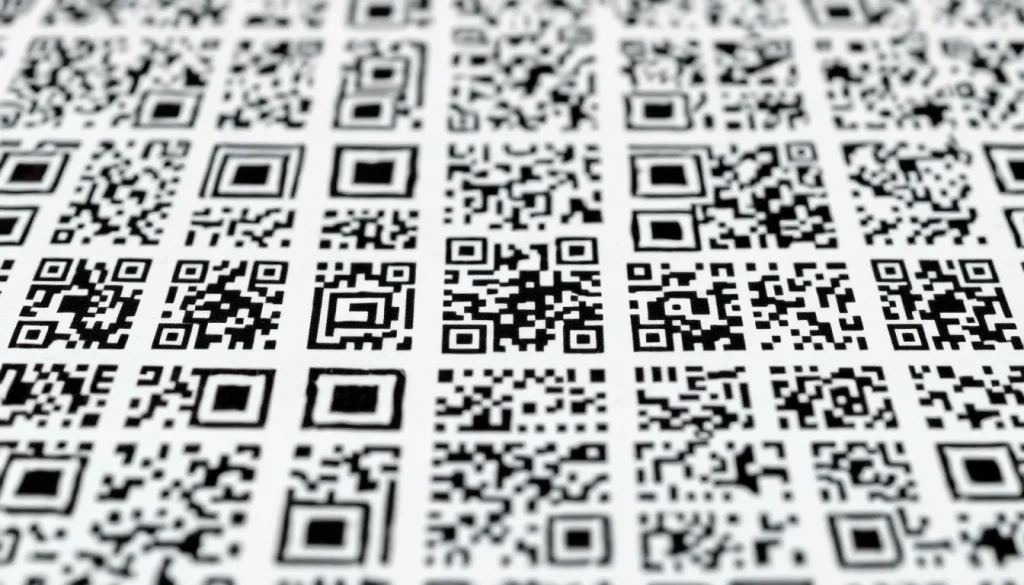
QR code scams involve tricking you into scanning fake codes that redirect you to fraudulent websites or prompt unintended payments. Scammers place counterfeit QR codes on posters in public places, emails, or even menus at restaurants. After scanning, you might be asked to input personal details or bank information through a cloned website, leading to stolen credentials or instant financial loss. Payment redirection is another common method, where a fake QR code replaces a legitimate one, causing your money to go straight to a scammer.
Warning signs include:
QR codes appearing on unprotected or unofficial surfaces (for example, lamppost adverts or temporary signage)
Requests for sensitive details immediately after scanning
Unexpected payment requests through unfamiliar platforms
Slightly altered web addresses or interface designs after scanning
If you’ve lost money through a QR code scam, you could be able to claim compensation, especially if poor security by your payment provider or bank allowed the fraud to succeed. That’s because most financial institutions could have a duty to reimburse you following Authorised Push Payment (APP) fraud in certain circumstances.
After a scam, take these steps:
Preserve all records and screenshots
Report the incident to the official platform or service used for payment
Contact us for a free consultation to review your situation and check if you’re eligible for compensation
Why not call our team today to see if we could help you get a refund following a QR code scam? We provide no-obligation legal advice and a free initial consultation, so there’s nothing to lose by contacting us today.
How Capital Refund House Can Help
Examples Of Current QR Code Scams
Recent QR code scams target your payments, personal data, and credentials by exploiting public trust in digital interactions. Below are common forms these scams take:
Payment Redirection: Fraudsters place fake QR codes on parking meters, restaurant tables, or charity posters, examples including altered codes overlaying originals. Scanning these reroutes your payment to a criminal’s account instead of the intended business or charity.
Phishing Websites: Scammers send QR codes within emails, messages, or flyers. Scanning opens a fraudulent website impersonating trusted platforms—examples include online banking or e-commerce portals—that asks for card details or logins.
Malware Installation: Codes in public places or suspicious emails can install malicious applications on your device, for example when prompted to download an “update” or new app.
If you’ve lost money after scanning a fake QR code and haven’t been able to get your money back, why not call our team for free advice today?
Case Study: Elderly Lady Lost £13,000 in Fake QR Code Scam
In August, a 71-year-old woman became the victim of a sophisticated scam after parking at Thornaby Station in north-east England. Unbeknownst to her, fraudsters had affixed a fake QR code over the legitimate one in the station’s car park. When she scanned the code to pay, she was redirected to a counterfeit website that harvested her payment details. Though her bank initially blocked a series of suspicious transactions, her ordeal was far from over.
The scammers, posing as her bank’s security team, contacted her shortly after the failed attempts. By referencing genuine transactions from her account, they established a sense of legitimacy and convinced her to divulge additional personal information. In a matter of minutes, they not only gained access to her accounts but also took out a £7,500 loan in her name, changed her address, and ordered new bank cards. Despite immediate intervention by her financial providers, the fraudsters escaped with £4,700, leaving her locked out of her accounts and facing months of stress and administrative challenges to restore her finances.
This distressing experience has left the victim shaken, with lasting impacts on her trust and daily life. She described ongoing sleepless nights and countless hours spent liaising with her bank and credit card company to resolve the issue. Had it not been for an alternative credit card and her son’s assistance, her situation could have been dire. In response to the incident and similar scams reported across the UK, TransPennine Express has now removed all QR codes from their car parks, and financial institutions have increased security controls for affected customers.
How To Spot If You're Being Scammed by a QR Code Fraudster
Detecting a QR code scam involves close attention to details on where and how the code appears. Genuine QR codes appear on professionally printed items or digital displays of trusted businesses, while scams often involve suspicious stickers, overlays, or unexpected emails. For example, if you see a QR code stuck onto a parking meter or over an official menu, it could be a fraudster’s work.
Red flags from QR code fraudsters include:
Requests for immediate payment to unknown accounts after scanning
Links to websites with misspelled addresses or mismatched branding
Prompts to enter sensitive information like bank details or passwords
Instructions to download apps or files following a scan
If you scan a QR code and end up on a payment or login page, always verify the web address and check for secure connections (e.g., HTTPS). Don’t proceed with payments or enter information if the branding seems inconsistent or the communication feels urgent or aggressive.
What To Do If You've Been Involved In A QR Code Scam
Act quickly after a QR code scam to limit losses and improve your chances of recovering funds. Preserve all details from the incident including screenshots, emails, receipts, QR codes, and any communication with the scammers.
Take these immediate steps:
Contact your bank or card provider to report the scam and request a refund, especially in cases of Authorised Push Payment (APP) fraud. Ask for a refund of any losses.
Notify the operator or retailer involved.
Change passwords and monitor accounts where you may have entered credentials after scanning the suspicious QR code.
The main point here is to report fraud or suspicious activity to your bank as soon as you realise something is wrong. If nothing else, this will allow any further transactions to be blocked or investigated.
Will I Be Refunded After A QR Code Scam?
Refunds after a QR code scam depend on how your payment was made and what steps you’ve taken since the incident. If you made a direct bank transfer (Authorised Push Payment), recent Payment Systems Regulator (PSR) rules mean you could be entitled to reimbursement, provided you acted in good faith and your bank didn’t offer enough protection.
However, we have been made aware of innocent victims of APP scams being denied bank refunds. That’s where our team may be able to help. They understand the regulations and are happy to review your case to see if your bank has made a mistake. If they have, we could work on your behalf to secure a refund of any losses linked to a QR code scam.
What To Do If The Refund Is Refused
Refund refusals after a QR code scam don’t end your options. If you believe your bank or payment provider failed to protect you, your claim could still be valid under APP scam reimbursement rules, especially if you acted honestly and reported the incident promptly.
Take the following steps if your bank or card provider declines your refund request:
Preserve evidence: Collect all emails, screenshots, QR code images, web addresses, payment confirmations and correspondence with the payment provider.
Request a detailed written decision: Ask for a clear explanation of why your refund was declined, as this can support further claims.
Refer your bank to the Financial Ombudsman Service: It could instruct your bank to reverse its decision.
Seek a free case review: Contact us for a no-obligation consultation if you’ve not been refunded. A specialist will review your evidence and check if recent scam refund protections apply to your situation.
In any case we take on, we aim to secure a full refund of any money stolen by scammers on your behalf. Why not call today to find out how we can help?
See If We Can Secure A Refund, Call Today
If you’ve been caught out by a QR code scam there’s no need to face it alone. Taking swift action and seeking expert support can make all the difference when it comes to recovering your losses.
You may be entitled to a refund even if your bank has already refused your request. Our team of specialists is ready to review your situation and help you challenge any decision that seems unfair.
To find out more, please call +1 (206) 609-6016 today. Our team is here to help and will explain your options as part of a free initial consultation.
Additional Resources and Links
Action Fraud
The UK’s national reporting centre for fraud and cyber crime; report a scam or seek guidance on what steps to take next.
Citizens Advice: Scams Advice
Comprehensive support and advice for scam victims, including practical steps to recover and report incidents.
Financial Conduct Authority (FCA) – ScamSmart
FCA’s tool for checking investment and financial scams—learn how to avoid scams and report suspicious activity.
EE Scams
Advice on how to spot fake emails and text messages from this mobile phone operator.
Funeral Scams
Details of current methods used by scammers to target you before a funeral